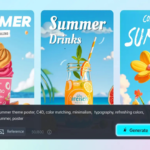
Menus in restaurants have visual information that can be more interesting with short-form videos. Sequences of pictures of food, names of dishes, ingredients, pricing, preparation directions, atmosphere, and promotions can make compelling sequences. Restaurants can develop stories about flavor and variety instead of having stand-alone menu pages. Pippit automatically arranges existing assets into dynamic video content, without the need for each scene.
Decide What Your Menu Showcase Needs to Communicate
Determine the purpose of the showcase before you choose visuals or text. It could be signature dishes, specials for the season, lunch specials, desserts, beverages, or new items. Focus on the strongest information, as viewers quickly determine whether or not to pay attention to content. With the help of an AI video generator, restaurant assets can be organized into a draft, and clear priorities will help shape the final message. Each scene should have one communication goal with Pippit. Don’t put all the menu items in a single short video, as this will diminish clarity and impact.
Transform Food Photography Into Dynamic Visual Sequences
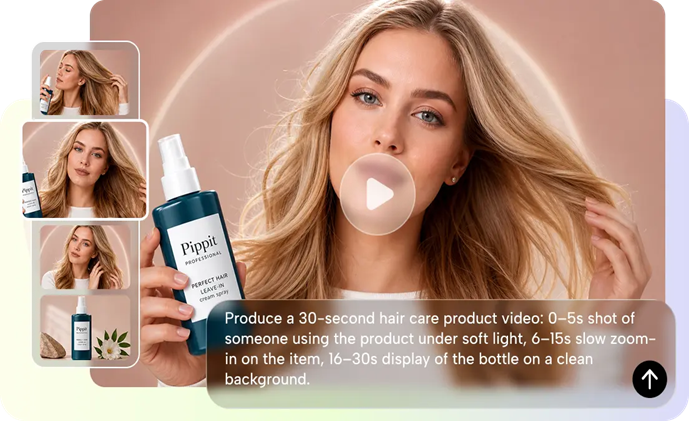
Food photos will make a solid base for making videos about restaurants. Good photos can be used for animated motion, close-ups, transitions, product-based framing, and sequential storytelling. Generating scenes with consistent lighting, backgrounds, and composition helps create visual continuity between scenes. Reference assets should be realistic in terms of the dishes, portions, and styles of presentation. Pippit can join imagery that is provided with descriptive prompts to create more dynamic sequences. If available via Seedance, video generation workflows can be supported by Seedance 2.5. The importance of source photography remains, as the quality of the generation is heavily reliant on clear visual references and descriptive creative direction.
Build a Menu Narrative Around Taste, Variety, and Timing
The sequence of a menu video is generally logical and does not show dishes in a random order. Start with a food visual that captures attention, setting the tone for a meal that is appetizing. Include a main course, followed by a choice of side dishes from similar categories. Integrate appetizers, main courses, dessert and/or drinks using transitions without breaking flow. Try to do promotions after the viewers have grasped the main attraction of the menu. Conduct a call to action, location information, ordering invitation, or availability statement. Include sufficient exposure to dishes for recognition. Keep the pacing tight, though, making the whole Pippit video engaging and appropriate for short form.
Steps to Produce Restaurant Menu Showcases Quickly via an AI Video Generator System
Step 1: Set Up Your Menu Showcase
- Sign up for Pippit using your Google, TikTok, or Facebook account information.
- Open the “More” tab on the left vertical menu bar and select “Video generator”.
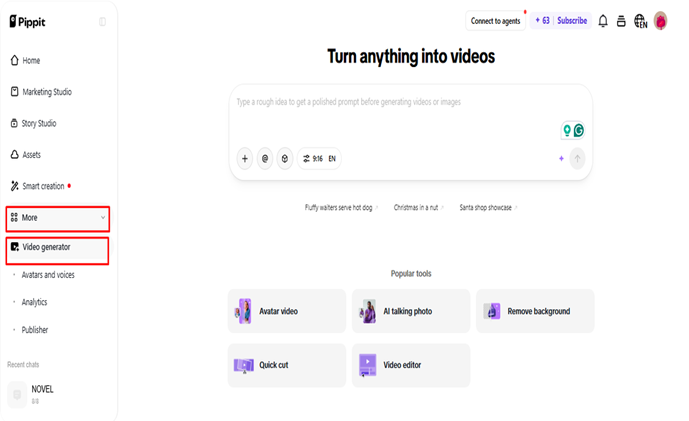
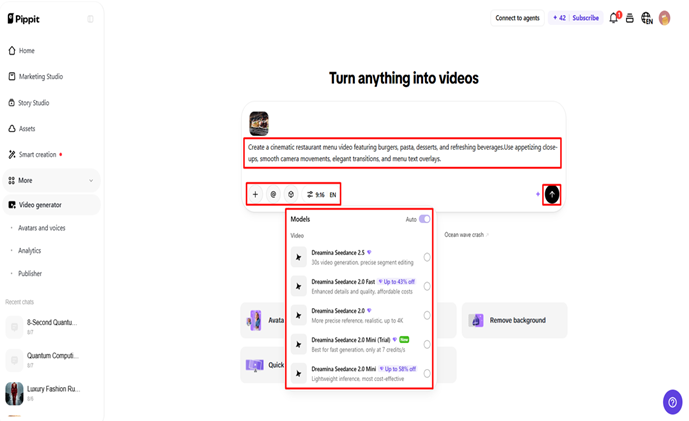
- Choose an AI model, such as Dreamina Seedance 1.0, Dreamina Seedance 2.0, Dreamina Seedance 2.0 Fast, Dreamina Seedance 2.0 Mini, or Dreamina Seedance 2.5.
- Enter a detailed prompt describing your dishes, restaurant setting, and desired video style.
- Select the video length, language, subtitles, and aspect ratio.
- Click “+” to upload food images or videos from your device, phone, Dropbox, or a link. You can also select assets if you have no reference media.
- Click “Generate” to create the showcase.
Step 2: Generate Your Menu Video
- After clicking “Generate,” Pippit’s AI video generator creates the restaurant video from your prompt and reference media.
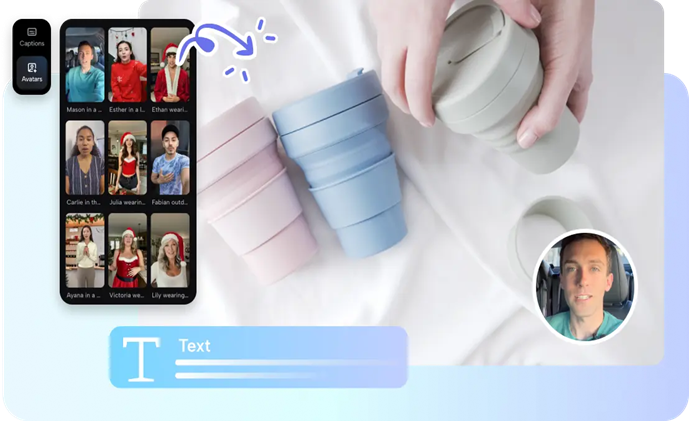
- The AI handles transitions, pacing, captions, avatars, voice, lyrics, and visual enhancements.
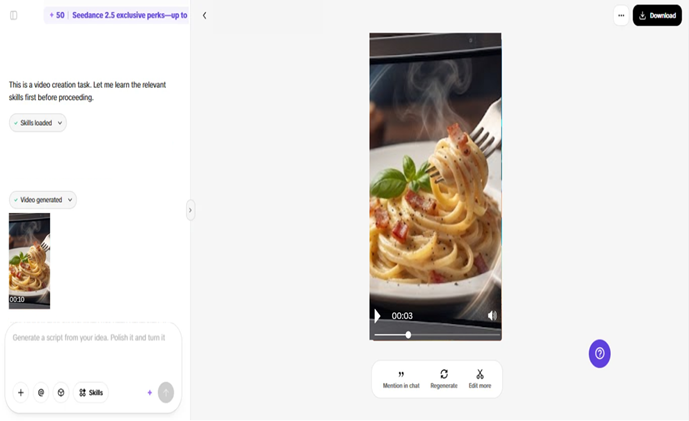
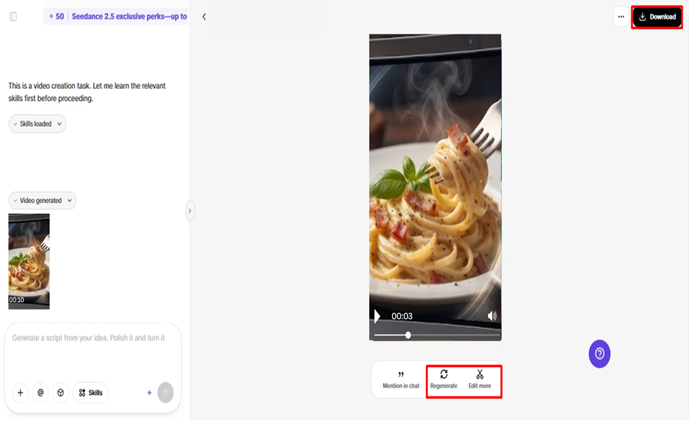
- A video draft will appear for your review.
Step 3: Customize and Export
- Click the “Download” tab in the top right corner to save it. For another version, click “Regenerate”. To customize it, select “Edit more” below the video.
- Edit captions manually, add text, and adjust size, color, alignment, filters, and effects.
- Add background music, remove backgrounds, and fine-tune the visuals.
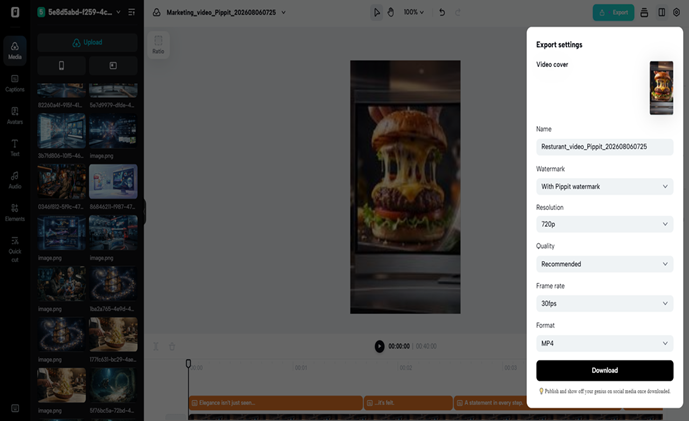
- Click “Export” in the top right corner when the video is ready.
- Select “Publish” to post directly to TikTok, Instagram, or Facebook, or click “Download” to save it with your preferred format, resolution, frame rate, and quality.
Present Menu Information Without Overloading the Screen
Menu information should not be the focus, but rather should help the viewer to understand the food visuals. Selectively display dish names, prices, ingredients, dietary information, and promotional messages. Good typography allows viewers to easily find important information without obscuring food. Make it clear to the reader what the main thing is, what the dish is, and what is secondary. Use enough contrast between text and background for easy readability. Timing is also important, as viewers must have sufficient time to read the caption information in a natural manner. Pippit editing tools can be used to fine-tune text positioning and balance of the visuals. Don’t put multiple unrelated messages in a scene, as too many messages in a scene lowers appetite appeal.
Create Different Menu Video Formats From the Same Assets
Pippit can create multiple restaurant assets and creative directions from one set of assets. For instance, the identical food images can generate:
- Presentations and ingredients are showcased with a signature dish.
- Breakfast menu videos with breakfast combinations and drinks.
- Seasonal promotions for limited-time menu items and events.
- Dessert reels focusing on texture, decoration, and serving moments.
- Any beverage promotion featuring cocktails, coffee, juice, or specialty beverages.
- Special videos of the chef with a focus on specific dishes and menu changes.
Adjust prompts, scene priorities, aspect ratios, pacing, and editing choices for each format. By doing this, restaurants can produce a number of content variations without having to develop each concept from scratch.
Fine-Tune Food Videos for Social Publishing
Make other final checks before posting restaurant videos to social sites. Review food presentation and ensure that images created are not deceptive in relation to the food on offer. Check all dish names, all ingredient references, all prices, all promotions, and all the dietary statements before export. Make sure that captions are legible on smaller screens and critical details are not too close to the edge of the frame. Assess music for appropriateness and ensure that music changes are appropriate and make sense. Framing and viewing behaviours also vary across different platforms. Pippit offers additional adjustments prior to export, to suit one idea for several publishing formats. The importance of visual accuracy is significant, as it can give customers false expectations through misinformation in their food images.
Conclusion
Video showcases can make restaurant photography and menu items more interesting. Effective results are based on attractive imagery, clear information, simple messaging, and planned scene sequence. Each visual should be appealing to the eye and communicate useful information about the menu. There is still a need for final editing to ensure readability, continuity, and visual correctness. Pippit offers a practical creative workflow to create polished menu-focused videos out of restaurant assets. With solid sources and the right prompts and improvements, restaurants can create interactive digital menu content for the modern social publication.